The Gaza ‘Board of Peace’ Is Dividing the Globe

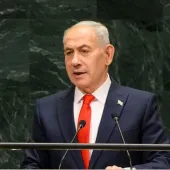
A fractious global debate over the newly proposed Gaza “Board of Peace” has intensified as countries publicly declare whether they will participate in a U.S.-led body that its proponents say could oversee Gaza’s post-war reconstruction and, potentially, broader conflict resolution. European powers have split sharply over involvement, Middle Eastern governments are lining up to join, and Prime Minister Benjamin Netanyahu has reversed an earlier refusal to participate, agreeing to take Israel’s seat.
French, Scandinavian, and other Western European governments have been among the most vocal in declining invitations, citing concerns about the board’s mandate, structure, and potential to undercut established international institutions. France, Norway, Sweden, and Slovenia have announced they will not join at this time, rejecting both the board’s expanded ambition beyond Gaza and the requirement – articulated in draft terms shared with invited nations – to contribute roughly $1 billion for permanent membership status.
Paris’s refusal stems in part from worries that the board, as envisioned, would duplicate or weaken the United Nations’ roles on peace and reconstruction. European officials have warned that a parallel forum dominated by a single national leader could fragment international diplomacy and erode multilateral norms. Norway and Sweden similarly pointed to a lack of clarity about authority and oversight, choosing to withhold endorsement until those issues are resolved.