The Legacy of Cluster Bombs

A decade ago I attended a charity event dedicated to children from all over the world that had experienced horrible things. There was a little girl, around 11, who had lost both of her legs and her eight year old brother. International doctors had managed to save her life and perhaps in time, with the assistance of prosthetics, she will walk again. But nothing will bring her brother back.
She and her brother were from Laos. One afternoon they were outside playing when an explosive that had been dropped by the United States government, years before her parents were born, detonated. While the U.S. and its citizens may have forgotten about Laos and South East Asia as a battleground, the legacy of war remains to this day constantly creating victims, many of them yet to be born.
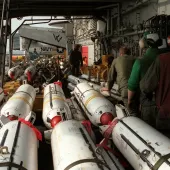
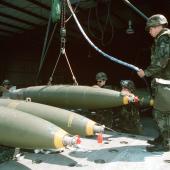
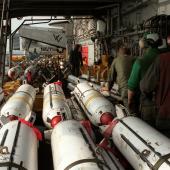
For a time the small nation of Laos was the most bombed place on Earth. It is claimed that more bombs were dropped on tiny Laos than were dropped by every belligerent in all of World War II. The United States was not at war with Laos or Cambodia (let alone allied South Vietnam) and still the bombs, chemical defoliants, and mines fell. Many of the bombs dropped were cluster munitions.