How False Testimony and a Massive U.S. Propaganda Machine Bolstered George H.W. Bush’s War on Iraq
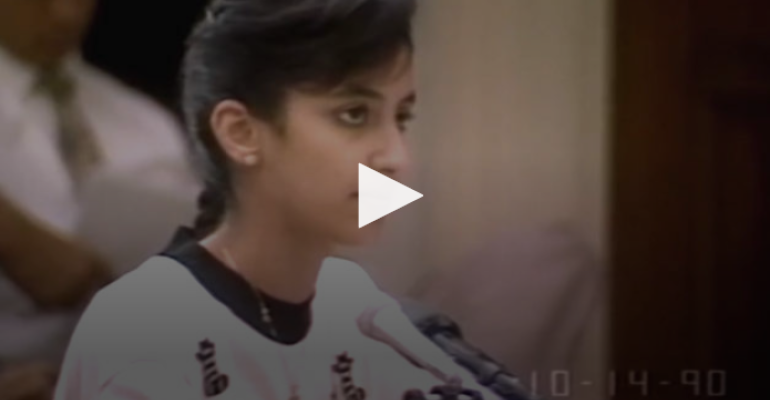
As the media memorializes George H.W. Bush, we look at the lasting impact of his 1991 invasion of Iraq and the propaganda campaign that encouraged it. Although the Gulf War technically ended in February of 1991, the U.S. war on Iraq would continue for decades, first in the form of devastating sanctions and then in the 2003 invasion launched by George W. Bush. Thousands of U.S. troops and contractors remain in Iraq. A largely forgotten aspect of Bush Sr.'s war on Iraq is the vast domestic propaganda effort before the invasion began. We look at the way U.S. media facilitated the war on Iraq with journalist John “Rick” MacArthur, president and publisher of Harper's Magazine and the author of the book “Second Front: Censorship and Propaganda in the 1991 Gulf War.”
Transcript
This is a rush transcript. Copy may not be in its final form.
AMY GOODMAN: This is Democracy Now!, democracynow.org, The War and Peace Report. I’m Amy Goodman, with Juan González.
JUAN GONZÁLEZ: Well, a national day of mourning has been declared following the death of former President George H.W. Bush, who died Friday at the age of 94. The Post Office and other federal agencies are closed for the day. A funeral service for Bush is being held today at the Washington National Cathedral. Former Presidents Barack Obama, Bill Clinton, Jimmy Carter and Bush’s son, George W. Bush, will attend, as will President Trump, who was not invited to speak. Former Florida Governor Jeb Bush explained why President Trump was not speaking by saying, quote, “It’s because we have a unique circumstance here. My brother was president. First dibs, as we used to say.” A second funeral will be held on Thursday in Houston, where George H.W. Bush will be buried.