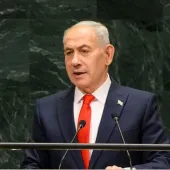
Trump appears all in for Netanyahu's political survival

On March 25, Israeli Prime Minster Benjamin Netanyahu’s government passed its long-delayed 2025 budget. Had the vote failed, it would have automatically triggered snap elections — an outcome Netanyahu appears politically incapable of surviving.
While Israel cited stalled hostage negotiations and ongoing security threats as reasons for ending the U.S.-backed ceasefire in Gaza, Netanyahu’s decision to resume large-scale military operations just days before the vote also appeared aimed at shoring up support from far-right coalition partners such as Itamar Ben Gvir. The budget, framed explicitly by Finance Minister Bezalel Smotrich as a “war budget,” includes record levels of defense spending and a dramatic increase in funding for Israeli public diplomacy, a nod to the government’s attempt to counteract ongoing international condemnation of Israel’s military actions in Gaza.
The breakdown of ceasefire talks between Israel and Hamas has been widely blamed on Hamas intransigence, with Israeli spokesman Eylon Levy and others, including Trump aide Steve Witkoff on the Tucker Carlson Show, claiming Hamas refused to negotiate. Yet the record shows a different sequence: Israel introduced new terms during phase two of the talks — terms that had not been agreed to — and demanded unilateral acceptance.