The U.S. Promised Tribes They Would Always Have Fish, but the Fish They Have Pose Toxic Risks
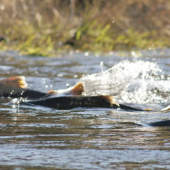
Sam is a member of the Confederated Tribes and Bands of the Yakama Nation. They are among several tribes with a deep connection to salmon in the Columbia River Basin, a region that drains parts of the Rocky Mountains of British Columbia, Canada, southward through seven U.S. states into the West’s largest river.
It’s also a region contaminated by more than a century of industrial and agricultural pollution, leaving Sam and others to weigh unknown health risks against sacred practices.
“We just know that if we overconsume a certain amount of it that it might have possible risks,” Sam said as she gutted salmon in the bustling kitchen. “It’s our food. We don’t see it any other way.”
But while tribes have pushed the government to pay closer attention to contamination, that hasn’t happened. Regulators have done so little testing for toxic chemicals in fish that even public health and environmental agencies admit they don’t have enough information to prioritize cleanup efforts or to fully inform the public about human health risks.