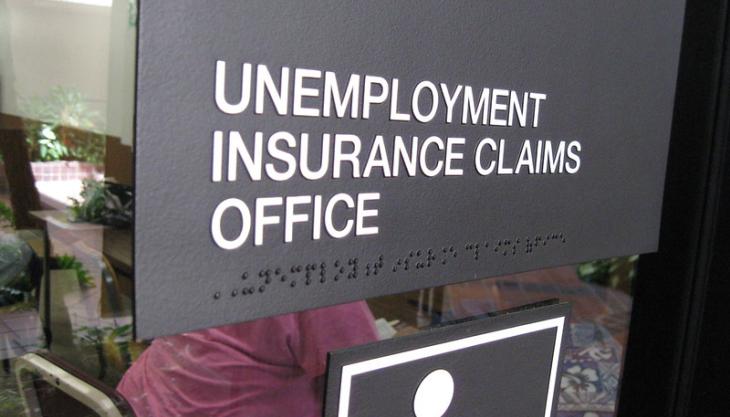
In these tough financial times, a new study finds it’s getting harder and harder for people to save any of their money. In fact, seven in 10 Americans say they’re living paycheck to paycheck.
Some members of the Federal Reserve are continuing to explore the launch of its own digital dollar, as the Federal Reserve Bank of Boston on Thursday unveiled its first attempt at designing an electronic form of cash.
Shares of Facebook parent Meta were down more than 23% Thursday after the company forecasted weaker-than-expected revenue growth in the next quarter. It also said it’s taking a big hit from Apple’s privacy changes, and showed the first quarterly decline in daily active users on record.
Congratulations, America: it took just over 245 years but as of the last day of January, the country's debt just crossed above $30 trillion for the first time ever, hitting $30,012,386,059,238.29.
Since the last FOMC meeting, on December 15th, Gold is the lone asset-class that is higher while bonds and stocks have been monkey-hammered and the dollar is weaker...
The Federal Reserve released a long-awaited review of the potential for creating a central bank digital currency Thursday, after months of delays. Ahead of making a decision, the Fed has asked the public to submit answers on 22 questions posed in the report.
It was several years ago when Jeremy Grantham quietly turned from stock bull to vocal permabear, and while his market notes turned breathlessly alarmist (if only to those who were long his multi-billion fund GMO), such as this from June 2020 "Stock-market legend who called 3 financial bubbles says this one is the ‘Real McCoy,’ this is ‘crazy stuff’", it wasn't until early 2021 that Grantham's warnings of an imminent crash became especially shrill... and spectacularly wrong.
The world's 10 wealthiest people more than doubled their fortunes to $1.5 trillion during the pandemic as poverty rates soared, according to a study released by a charity on Monday ahead of a high-profile World Economic Forum (WEF) event.
McDonald's and its franchisees have cut operational hours in response to a lack of employees at a number of its U.S. locations because of coronavirus staffing shortages.
Over the past month, as Wall Street turned increasingly optimistic on US growth alongside the Fed, with consensus (shaped by the Fed's leaks and jawboning) now virtually certain of a March rate hike, we have been repeatedly warning that after a huge policy error in 2021 when the Fed erroneously said that inflation is "transitory" (it wasn't), the central bank is on pace to make another just as big policy mistake in 2022 by hiking as many as 4 times and also running off its massive balance sheet... right into a global growth slowdown.
BlackRock burnished its reputation as the world's largest asset manager on Friday when it revealed in its Q4 earnings reports that its assets under management had finally topped $10 trillion, marking a new world record for a publicly-traded asset manager.
Inflation plowed ahead at its fastest 12-month pace in nearly 40 years during December, according to a closely watched gauge the Labor Department released Wednesday.
We were warned that this would happen. In 2021, millions of Americans either quit their jobs or were forced out of their positions because of various mandates that were implemented all over the country.
Earlier this month Reuters produced a report which didn't receive nearly enough attention among the American public - its contents would be sure to alarm most people concerned with the outbreak of yet more 'global catastrophes'.
As the coronavirus pandemic forced millions into unemployment and financial uncertainty in March 2020, federal student loan payments were put on pause and interest rates were set at zero.